Signs Your Roof Needs New Roof Capping
If you notice signs your roof needs new roof capping, local contractors can evaluate and install the necessary coverings to protect your home effectively.
Homeowners and property owners in the area often find themselves wondering if their roofs are still in good condition, especially when it comes to the roof capping. Recognizing the signs that your roof needs new roof capping is essential for maintaining the integrity and appearance of your property. If you notice issues like cracked, loose, or missing capping, or if your roof shows signs of wear and tear, it may be time to consider professional services. Local contractors specializing in roof capping can assess these signs and recommend the appropriate solutions to protect your home effectively.
Understanding what to look for can help prevent more extensive damage down the line. Common indicators include visible damage along the roof edges, water stains on interior ceilings, or a general sense of instability when inspecting the roof. Property owners exploring this topic are encouraged to keep reading to learn more about how local service providers can assist with replacing or repairing roof capping, ensuring your roof remains durable and secure. These professionals bring the experience needed to handle the job properly, helping you keep your property in top condition.
- Roof capping replacement - needed when signs your roof needs new roof capping include cracked or missing caps, prompting local contractors to assess and replace damaged materials.
- Roof capping repair - required if rust or deterioration is visible on existing capping, with service providers carefully restoring or reinforcing the existing structure.
- Roof capping installation - appropriate when upgrading or installing new roofing systems, with local pros ensuring proper fit and weather resistance.
- Roof capping sealing - necessary if leaks or gaps are detected around the roof edges, as service providers apply sealants to prevent water intrusion.
- Roof capping maintenance - recommended when signs your roof needs new roof capping include aging or loose caps, with local contractors performing inspections and minor fixes.
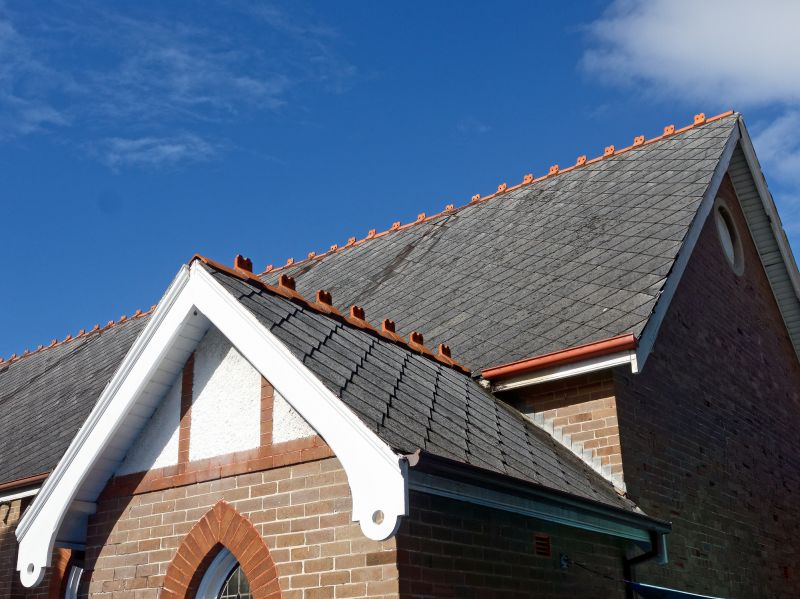
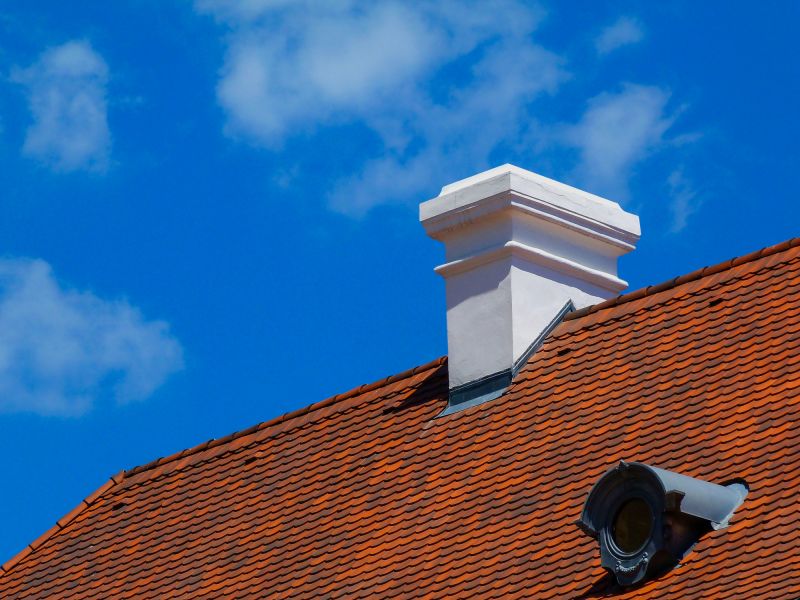
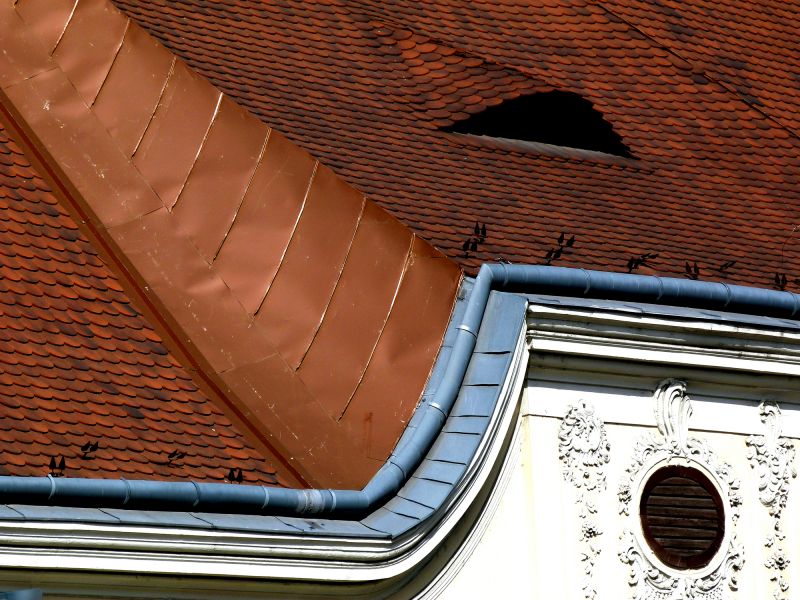
When homeowners search for signs their roof needs new roof capping, they are typically looking for indicators that the protective covering along the roof’s edges or around chimneys and vents is deteriorating or failing. Roof capping is a critical component that helps prevent water intrusion, wind damage, and structural issues. People often want to understand if visible damage, such as cracked, missing, or loose capping, signals the need for repairs or replacement. Recognizing these signs early can help prevent more extensive damage to the roof structure or interior spaces, making it a common concern for those planning repairs or upgrades.
This topic relates closely to problems like leaks, drafts, or increased energy costs, which may stem from compromised roof capping. When the capping is damaged, water can seep into the underlying roofing layers, leading to rot, mold, or even structural weakening. Homeowners might also be considering roof upgrades or replacements due to age or storm damage. In many cases, the decision to replace or repair roof capping is part of broader roof maintenance or renovation projects. Service providers who specialize in roof capping can assess the extent of damage, recommend appropriate solutions, and help ensure the roof’s integrity is restored or maintained.
The types of properties that often require attention to roof capping include residential homes, especially those with traditional or older roofing styles, as well as commercial buildings with flat or low-sloped roofs. Detached houses, townhomes, and multi-family residences are common sites where signs of capping deterioration appear. Commercial properties with metal or built-up roofing systems also benefit from regular inspections of capping areas, as these are exposed to the elements and prone to wear over time. Local contractors experienced in roof capping are equipped to handle a variety of property types, ensuring the work is tailored to the specific roofing system and structure.
Understanding the signs that indicate a need for new roof capping helps homeowners make informed decisions about repairs or replacements. Visible issues like cracked, loose, or missing capping, along with water stains or mold growth inside the home, often point to underlying problems. Wind or storm damage can also dislodge or break capping materials, making inspection essential after severe weather events. Connecting with experienced local service providers ensures that these signs are properly evaluated and addressed, helping to preserve the roof’s protective function and extend its lifespan.
Roof repair projects - repairing damaged or deteriorated roof components often involves replacing or upgrading roof capping to ensure proper protection and ventilation.
Chimney flashing installation - installing or repairing chimney flashing requires precise work similar to roof capping to prevent leaks and water intrusion.
Gutter and downspout installation - proper gutter and downspout setup relies on secure roofing edges and capping to direct water away from the structure effectively.
Roof ventilation upgrades - enhancing roof ventilation may involve modifying or installing new capping to improve airflow and prevent moisture buildup.
Roof inspection services - thorough inspections often identify issues with existing roof capping that could signal the need for replacement or repair.
Roof sealing and waterproofing - applying sealants or waterproofing layers complements roof capping work to extend roof lifespan and prevent leaks.
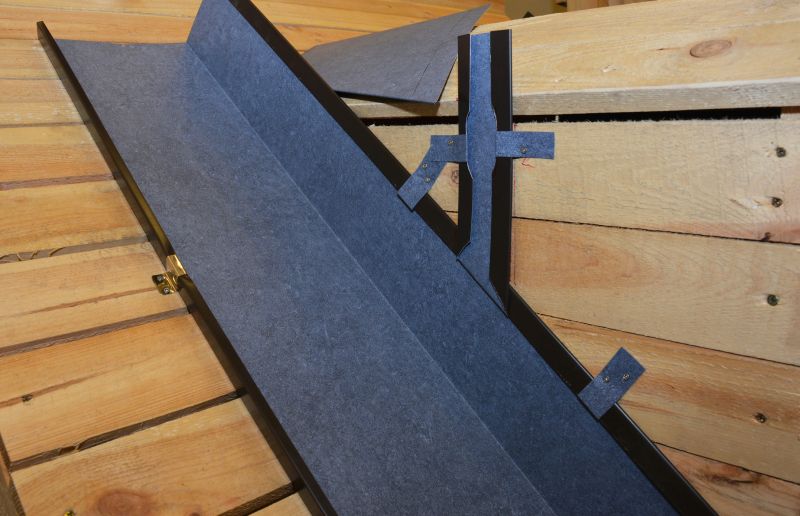
When evaluating service providers for roof capping, it is important to consider their experience with similar projects. Homeowners should inquire about the types of roofing jobs they have completed and whether they have handled situations comparable to signs your roof needs new roof capping. A contractor with a history of working on roofs with comparable materials, styles, or issues can provide insights into their familiarity with the specific challenges involved. This experience can contribute to a more informed assessment of their ability to deliver quality work that addresses the unique needs of the roof in question.
Clear and detailed written expectations are essential when choosing a roofing contractor. Homeowners should seek service providers who can provide comprehensive estimates that outline the scope of work, materials to be used, and the projected process for installing new roof capping. Having these expectations documented helps ensure transparency and minimizes misunderstandings. It also allows homeowners to compare proposals effectively, ensuring that each contractor’s approach aligns with their needs and that there are no surprises once the project begins.
Reputable references and effective communication are key factors to consider during the selection process. Service providers who can furnish references from past clients offer a valuable perspective on their reliability and quality of work. Additionally, good communication-marked by prompt responses, clear explanations, and a willingness to answer questions-can significantly influence the overall experience. Homeowners should prioritize contractors who demonstrate professionalism and transparency, as these qualities often reflect their commitment to customer satisfaction and their ability to manage projects smoothly from start to finish.
Property owners often search for signs your roof needs new roof capping when they are planning practical projects around their homes and businesses. Local pros provide Roof Capping services for everyday jobs and straightforward project options.
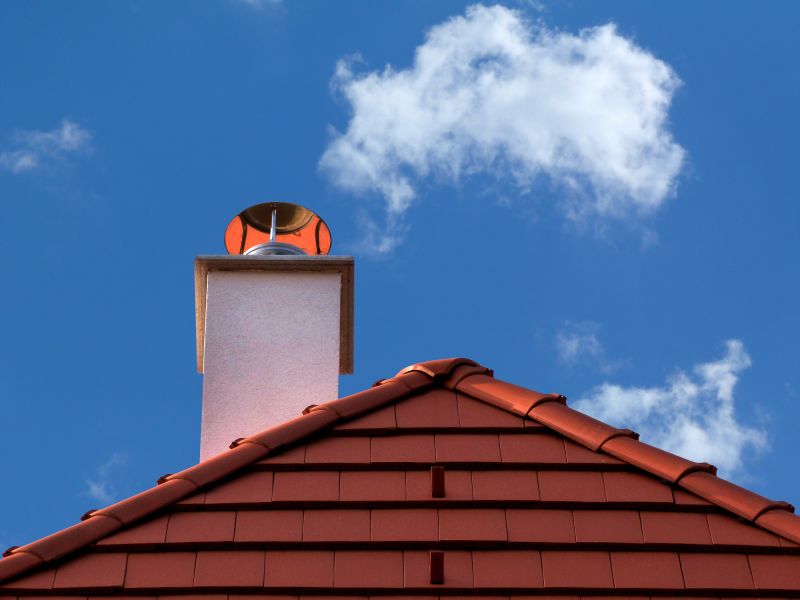
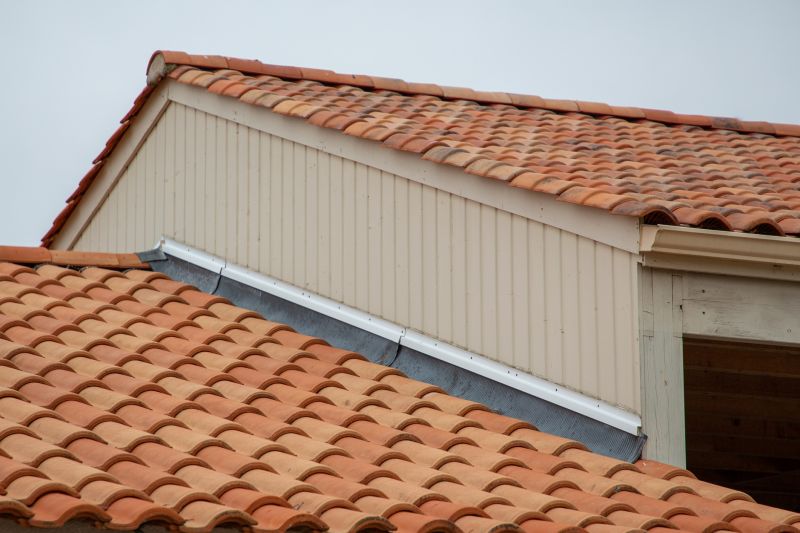
Property owners in the area often notice visible signs that indicate their roof may need new roof capping. For instance, cracked or missing capping along the ridges and edges can leave the roof vulnerable to water intrusion and further damage. Additionally, if shingles or tiles beneath the capping appear to be curling, lifting, or showing signs of wear, it might be time to consider professional inspection and potential replacement. Recognizing these issues early can help prevent more extensive repairs and ensure the roof continues to protect the property effectively.
In many cases, homeowners may also observe water stains on ceilings or walls, especially after heavy rain, which can point to compromised roof capping. Wind damage or severe weather conditions can loosen or dislodge capping materials, making it easier for moisture to penetrate. When such signs are visible or suspected, reaching out to local contractors experienced in roof capping services can provide the necessary expertise to assess and address the problem. Properly maintained or replaced capping helps extend the lifespan of the roof while maintaining its overall integrity.
What are common visual signs that indicate a roof may need new roof capping? Visible damage such as cracked, missing, or curling roof capping can signal the need for replacement. Local contractors can assess these signs to determine if new roof capping is necessary.
Can water leaks be a sign that roof capping needs attention? Yes, water stains or leaks inside the building often point to compromised roof capping. Service providers can inspect and replace damaged capping to prevent further leaks.
How does aging affect roof capping and its effectiveness? Over time, roof capping can degrade due to weather exposure, leading to deterioration. Local roofing experts can evaluate the condition and recommend replacement if aging is evident.
Are there specific weather-related signs that suggest roof capping replacement? Heavy storms, hail, or strong winds can damage roof capping, causing cracks or displacement. Professionals can identify these issues and perform necessary repairs or replacements.
What role does debris or moss buildup play in indicating the need for new roof capping? Excessive debris or moss can trap moisture and accelerate deterioration of roof capping. Local contractors can clean and assess if capping replacement is needed to restore protection.
Visible damage or corrosion - noticing rust, cracks, or missing sections on roof capping can indicate the need for replacement and should be evaluated by local contractors.
Water leaks or stains - signs of water intrusion inside the property may point to compromised roof capping that requires professional repair or replacement services.
Age of the roof capping - if the roof has been in place for many years, it may be time to consider new capping to ensure continued protection from the elements.
Loose or shifting capping - any movement or instability in the roof capping suggests it may need to be replaced to maintain the roof’s integrity and prevent further damage.
If you are thinking about signs your roof needs new roof capping for a property, this guide is meant to help you understand this topic, the typical project types, and how different options might fit your plans.
When you are ready, you can use the quote form on this page to share a few details about your project. From there, local pros can review the basics and follow up with options that match what you have in mind.